How To: Marketing in Logistics – Step 4- Analyst Relations
This blog series has touched on how logistics and supply chain technology leaders can implement several marketing techniques and initiatives so far, including building your website, leveraging LinkedIn, and public relations. This next piece addresses analyst relations.
Before we delve in, however, let’s come to an understanding of the role that analysts play.
What is an analyst?
Firms like Gartner, Forrester, IDC, Constellation Research (and several more) are essentially “people who know things,” and adding a layer, they’re “people who get paid to know things.”
Enterprises will often have a relationship with one of the firms mentioned above, and the actual analysts are brought in to tackle specific business challenges (as you’d imagine, supply chain is one of the functions that gets a lot of attention).
Many analysts often publish reports on the trends they’re seeing in the industry, or highlight new vendors who are doing something that has caught their eye. These reports, like the knowledge analysts bring to large enterprises, often come with a cost to download.
So we have to pay?
This is one of the most misunderstood portions of the analyst role. Most analyst briefings or first calls don’t actually have a cost. After all, the only way for an analyst to keep his or her finger on the pulse of what’s on the cutting edge is to… talk to people building things on the cutting edge.
So what do we get?
Usually, a first touch analyst briefing will be about a vendor showing off their unique technology and approach. The analyst(s) who have joined a briefing may have a specific use case in mind for a technology they haven’t seen, or they may be intrigued by something they’ve determined could be game changing.
In an analyst briefing, it’s critical for a company to establish its bonafides. This means a presentation that includes use cases, client case studies, and maybe even some financial information.
Remember, an analyst is paid for helping an enterprise pick the right tech for the right job; this means an analyst briefing is your chance to prove that’s what you’ve built. Taking steps to show that a software is battle tested, verified by users (case studies), and financially solvent can result in leads (it won’t always, but it can).
What about after the briefing?
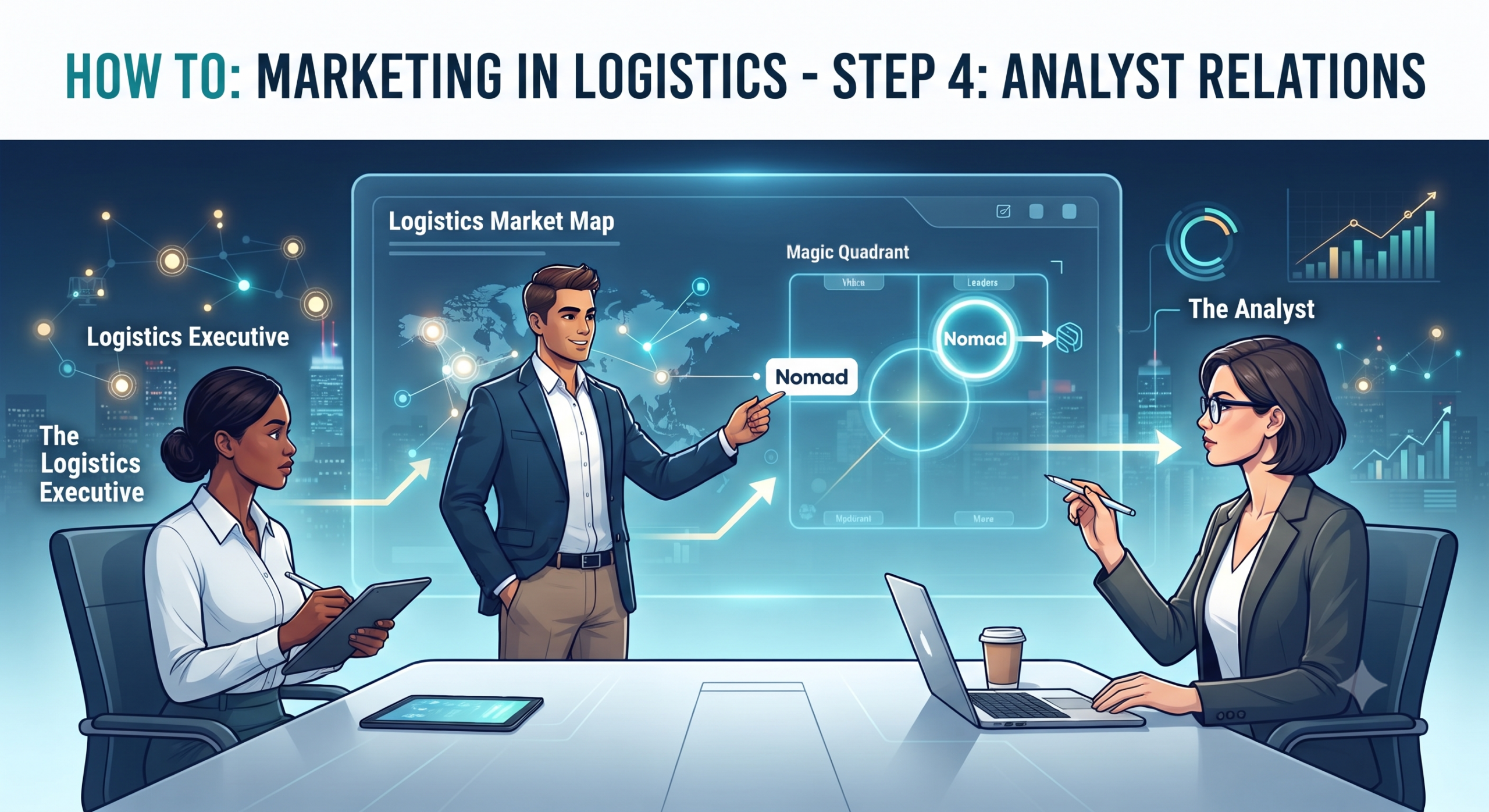
This is where things can become a little hairy, if you’re not a paying customer. Gartner has its Magic Quadrant (which compares similar products in a specific vertical, or shows how a category is growing/maturing). Forrester has its Wave reports.
A smart marketer will try to establish a briefing cadence that mirrors report dates, working far enough in advance to try to get included in the report, but not so far that the analyst has time to forget a vendor.
Inclusion in these reports can be worth millions; analysts rarely include a comprehensive list of all players, so being included is a sign that a company is heading in the right direction.
But now we have to pay, right?
Assuming a company is included in a high value report, there can be a fee to use the details of the report in public or client facing ways. But, the seal of approval an analyst brings to the table in supply chain, logistics, or AI can be the difference between winning a piece of business or not.
Analyst relations are not a short term initiative, nor are they “quick wins.” The best AR programs typically do include payment, in the form of consulting hours for the analyst’s time. This consulting can be the difference between a blockbuster IPO and a bankruptcy. In the introduction briefing, analysts are looking to learn about what your company does. In follow ups, they’re there to share what they know about the industry, and help companies grow.